
Superfoods Defined

Superfoods are nutrient-dense foods that give you a lot of health benefit per calorie. The term isn’t scientific, but it’s useful shorthand for foods high in vitamins, minerals, antioxidants, fiber, or healthy fats.
Good Fats

Avocado
The avocado is rich in heart-healthy monounsaturated fats, folate, vitamin C and vitamin K. These nutrients are known to reduce the risk of heart disease and other conditions — plus avocado contains phytonutrients that fight oxidative stress.
Not only that, but it manages to pack in more potassium than a banana and is super satisfying, making it one of the best fruits for weight loss.
There are limitless ways to enjoy this creamy fruit. Try spreading it over toast, adding it to a salad, or even just sprinkling a bit of salt on a few slices and chowing down.
Good Carbohydrates
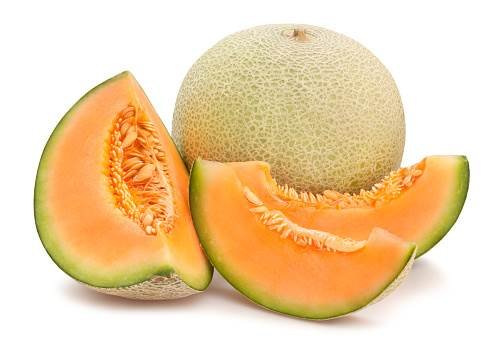
Cantaloupe
A 1-cup serving of cantaloupe, there are 14.4 grams of total carbohydrates with 1.6 grams of fiber and about 14 grams of natural sugar. Because of its natural sugar content, cantaloupe has a Glycemic Index of about 65.2. Its glycemic load (which takes serving size into account) is only 4 due to cantaloupe's high water percentage.
Cantaloupe has many proven health benefits related to its antioxidant power, electrolytes, and water content.
Click here for more information.
Convert Fat
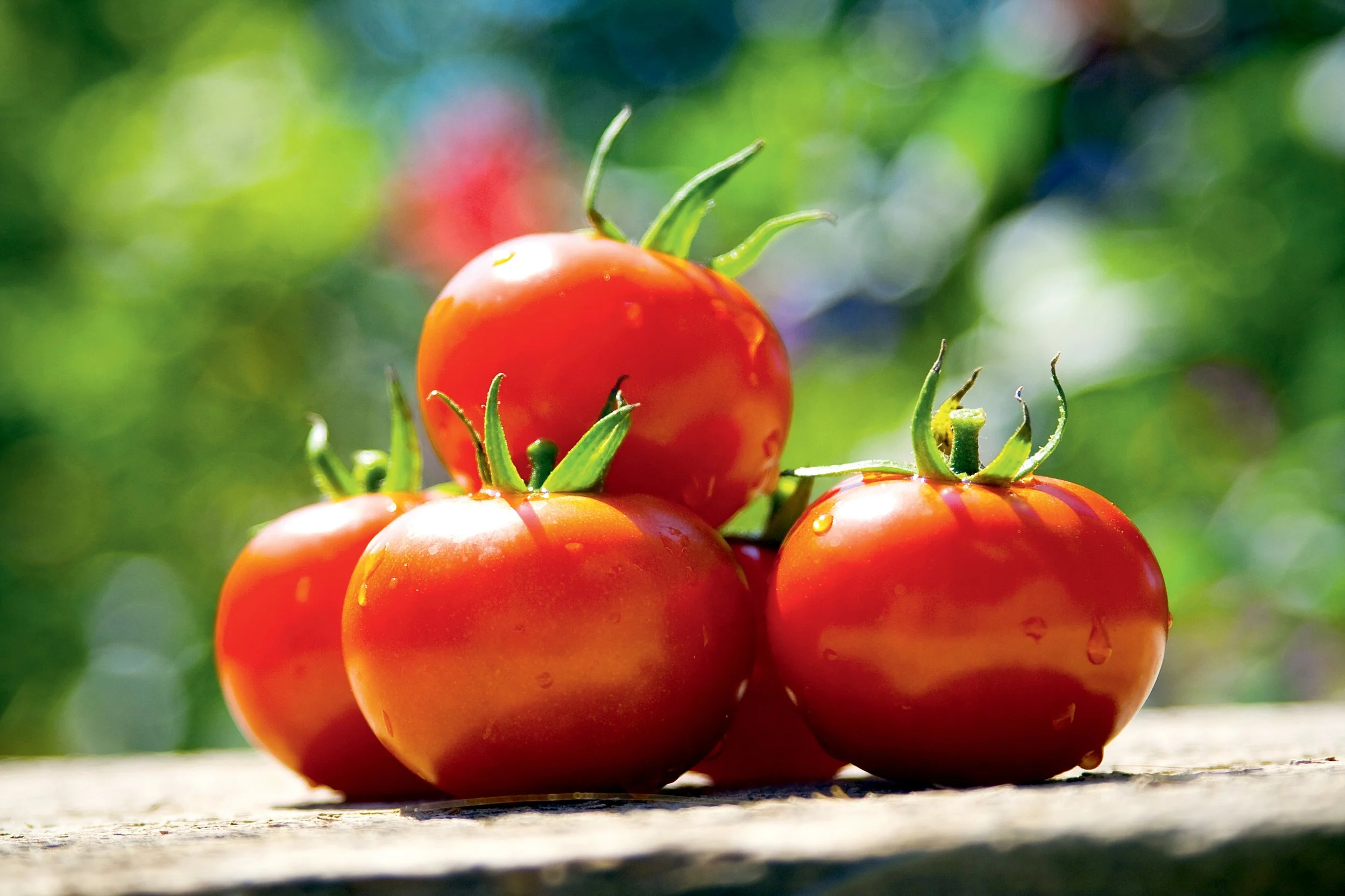
Tomato
Tomatoes encourage “browning” of white fat, mainly through compounds like lycopene.
White fat → stores energy (what we usually want less of)
Brown fat → burns energy to produce heat (metabolically active)
“Browning” = white fat cells taking on brown-fat-like behavior (often called beige fat)
Lycopene Reduces Inflammation
Tomatoes are rich in lycopene, a powerful antioxidant
Chronic inflammation blocks browning pathways
Lower inflammation → better signaling for fat metabolism
Result: a metabolic environment where browning is more likely
Think of this as removing the brakes, not pressing the gas.
Build Muscle Faster
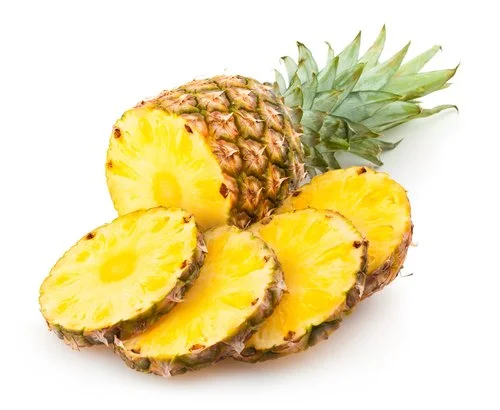
Pineapple
1. Improves Protein Digestion (Bromelain)
Pineapple contains bromelain, a proteolytic enzyme that helps break down protein into amino acids.
Better digestion → better amino acid absorption, which supports muscle protein synthesis.
This is especially helpful when eaten with or after a high-protein meal (meat, eggs, whey, etc.).
2. Reduces Muscle Soreness & Inflammation
Bromelain has anti-inflammatory properties.
It may reduce DOMS (delayed-onset muscle soreness) and swelling after intense training.
Less soreness = faster recovery = more productive training sessions.
3. Supports Collagen & Connective Tissue
Pineapple is rich in vitamin C, which is essential for collagen synthesis.
Stronger tendons and connective tissue help you:
Lift heavier
Train more consistently
Reduce injury risk
4. Helps Glycogen Replenishment
Pineapple contains fast-digesting natural sugars.
Post-workout, these sugars help replenish muscle glycogen, especially when paired with protein.
This improves recovery and prepares muscles for the next session.
5. Key Minerals for Muscle Function
Manganese: Supports energy metabolism and antioxidant defenses.
Potassium: Helps with muscle contractions, nerve signaling, and preventing cramps.
Goods to Focus On
🐟 Protein Powerhouses
Salmon / Sardines – Omega-3s, vitamin D
Eggs – Choline, complete protein
Greek yogurt – Probiotics, calcium
Lentils & beans – Fiber, plant protein
🫐 Fruits
Blueberries – Antioxidants, brain health
Pomegranate – Polyphenols, heart health
Avocado – Potassium, monounsaturated fats
Citrus fruits – Vitamin C, immune support
🥬 Vegetables & Greens
Kale / Spinach – Vitamins A, C, K, iron, folate
Broccoli – Fiber, vitamin C, sulforaphane (cell-protective)
Beets – Nitrates (blood flow, endurance)
Garlic – Immune and heart support
🥜 Nuts, Seeds & Healthy Fats
Walnuts – Omega-3s, brain health
Almonds – Vitamin E, magnesium
Chia seeds – Fiber, omega-3s
Flaxseed – Lignans, digestion
Extra-virgin olive oil – Anti-inflammatory fats
🌾 Grains & Fermented Foods
Quinoa – Complete protein, minerals
Oats – Beta-glucan fiber (cholesterol)
Kimchi / Sauerkraut – Gut health
Miso – Probiotics, umami flavor
🍫 Extras
Dark chocolate (70%+) – Flavonoids
Green tea – Catechins, metabolism
Turmeric (with black pepper) – Anti-inflammatory
Ginger – Digestion, anti-nausea